
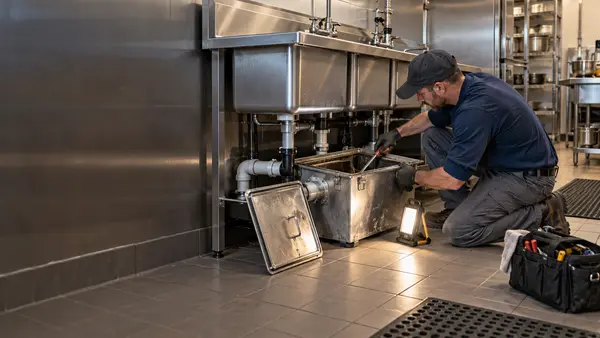
Plumbing Marketing
How Much Should a Small Plumbing Company Spend on Google Ads?
A practical way for 1–4 truck plumbing contractors to set a Google Ads budget based on booked jobs, not guesswork or gut feel.
Practical guidance for getting found, earning the call, and following through when homeowners and property managers need a plumber.
Marketing advice often sounds as if every contractor has a large office, a call center, and unlimited capacity. Most plumbing businesses do not. An owner may answer the phone between jobs, a dispatcher may manage several technicians, and an estimator may also be the person who follows up on a web form. The right marketing plan respects that reality. It helps the company be found for the work it can perform, gives the customer a clear next step, and makes the response process easier to manage.
This blog covers the connected path from search to service opportunity. You will find practical notes about Google Ads and Microsoft Ads, service and location pages, Google Business Profile, review requests, AI call answering, lead tracking, and the small details that determine whether a click becomes a conversation. The goal is not to publish generic advice for every industry. It is to explain what a plumbing company can test, measure, and improve without losing sight of customers and technicians.
There is no universal campaign, page count, or software stack that fits every market. A company handling emergency drain cleaning in one state may need a different approach from a commercial plumber serving several metro areas. Licensing, service boundaries, seasonality, response time, competition, and capacity all shape the decision. Use these articles as a framework, then compare each recommendation with the promise your team can keep.
Good SEO is not a collection of repeated phrases. It is a way to make the business easier to understand. A useful service page explains the problem and the next step. A location page tells a resident whether the company really serves the community. A review request gives a genuine customer an easy way to share an experience. A lead record helps the owner see whether the source produced a call that could become work.
Internal links connect those questions. Start with a website that makes the phone path clear, review campaigns that target the right services, and use tracking to learn what happened. If a caller reaches the company after hours, the process should be as honest and useful as the page that brought them there.
Start with the newest notes below, or visit the home page to see how the complete lead path fits together. If a question is specific to your market, contact Bob with the services, locations, and calls you want to improve.
A practical way for 1–4 truck plumbing contractors to set a Google Ads budget based on booked jobs, not guesswork or gut feel.
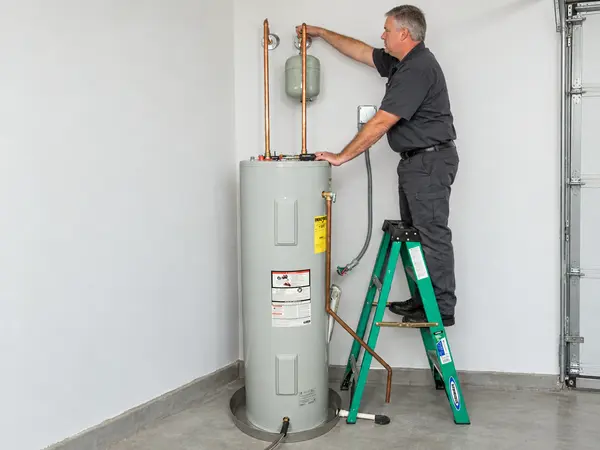
Cold snaps flood plumbing phones with burst-pipe calls. Use this pre-season checklist to prepare ads, pages, call handling, and tracking before demand spikes.
A maintenance plan can bring steady revenue and loyal customers to a small plumbing company. Here is how to design, market, and track one.
When a plumbing call goes unanswered, a fast, friendly text can keep the lead alive. Use these nine templates and sending rules.
A simple intake script small plumbing companies can use to sort emergencies from routine calls, collect the right details, and handle price shoppers.
Negative keywords keep plumbing ads from showing for job seekers, DIYers, and out-of-area searches. Here is how to build and maintain your list.
Help small plumbing shops win property manager and commercial work with the right pages, response, and follow-up.
Leak detection customers search differently than emergency callers. Learn how small plumbing contractors can attract and convert hidden-leak leads.
Clear answers for plumbing contractors evaluating marketing, websites, lead handling, and growth across the United States.
This information is designed for independent plumbing contractors, owner-operators, and small plumbing companies that want a steadier flow of qualified conversations. It applies whether you handle emergency drain cleaning, water heater work, leak detection, sewer service, repiping, remodeling, or a broad mix of residential and commercial jobs. The point is not to copy a national chain. It is to build a practical path from a customer's search to a call, an organized response, and a service opportunity your team can actually handle.
Yes. A nationwide strategy means the principles are built to work across the United States, while each contractor still needs market-specific execution. Search wording, seasonality, licensing, service boundaries, competition, and emergency expectations differ from one community to another. A strong national framework gives every market the same standards for useful content, clear conversion paths, accurate tracking, and responsible claims. Campaigns and pages can then be localized to the cities, counties, and states where a particular plumbing company is licensed and equipped to work.
The safest way is to make the offer precise before spending money. We define the services, property types, locations, hours, and jobs the company accepts. Pages and ads use that language consistently, while negative keywords and lead review remove searches for do-it-yourself instructions, parts, employment, training, or work outside the service area. Forms and reception workflows also ask a few useful questions. That discipline protects the budget and gives the office better information when a real homeowner reaches out.
Clicks and rankings can explain visibility, but they do not prove that marketing helped the business. A plumbing company should also review calls, form submissions, service area, requested work, response time, appointments, estimates, booked jobs, and revenue when those records are available. Tracking the complete path makes it easier to distinguish an expensive but productive campaign from a cheap source that creates noise. It also shows whether the next improvement belongs in the ad, the page, the phone process, or follow-up.
Start with a short, honest inventory of the business: the services you want more of, the locations you can serve, the hours you answer, the calls you miss, and the pages or campaigns already producing inquiries. From there, prioritize one or two improvements that can be checked in real life. A focused service page, cleaner tracking, better call coverage, or a more disciplined search campaign is usually more useful than launching everything at once. The next step should fit your capacity, budget, and customer promise.