

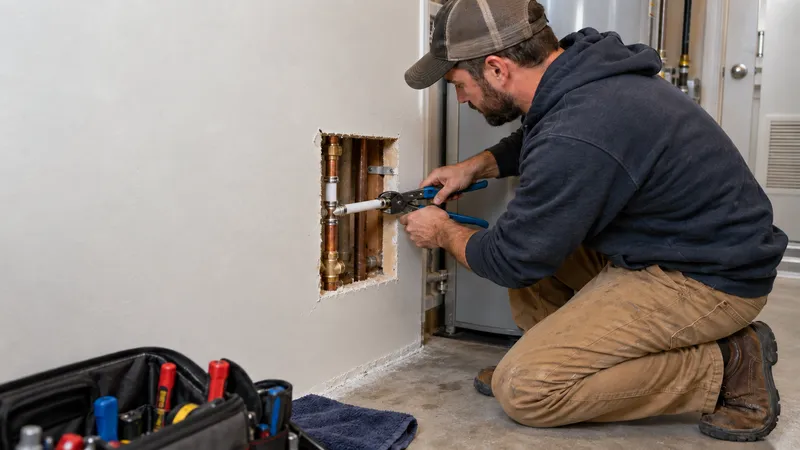
The plumbing job is not finished when the invoice is paid
For a plumbing company, trust is built through a chain of small experiences. A homeowner reads a review before calling. The office explains the arrival window. A technician protects the home, solves the problem, and cleans up. Someone answers a question after the job. Marketing may create the first opportunity, but the response after that first contact often decides whether the company earns the work and whether the customer recommends it later.
We help independent contractors make two routines more consistent: asking real customers for reviews and following up with new inquiries. Neither process should sound robotic or pushy. The goal is to give a satisfied customer an easy way to share an honest experience and give a prospective customer a timely, relevant answer when they ask for help.
Ask for feedback at a natural moment
The best review request usually follows a completed repair, installation, or service visit when the customer understands what the team did. A short message with the correct review link is often enough. The request should be fair, sent to customers consistently, and stopped after a person responds or asks not to receive more messages. Paying for a positive rating, filtering unhappy customers away from the public page, or coaching a customer’s words damages trust and may violate platform rules.
The office needs a process it can actually run. That may mean a message after a drain cleaning, a reminder after a water heater installation, or a staff prompt when a commercial maintenance ticket closes. We decide when the request goes out, who owns it, and how to avoid pestering someone who has already responded. Automation can save time, but it should respect the customer and preserve the company’s voice.
Respond like a real plumbing business
A thoughtful response to a review shows that a person is paying attention. Thank a customer for specific feedback without repeating private information. When a review raises a concern, acknowledge the problem and invite a direct conversation with a real contact. Arguing in public rarely helps. Your response is read by the next homeowner as much as by the person who posted the review.
Reviews can strengthen the confidence someone feels when they find you through local search or visit your website. We can place accurate review links or selected testimonials where they support the decision to call. We should never invent a testimonial, change its meaning, or present another company’s feedback as your own. Real evidence is more durable than exaggerated praise.
Follow up before the opportunity cools
A homeowner requesting a water heater estimate may be speaking with several plumbers. A customer with a burst pipe may need to know whether anyone can respond today. If the first call is missed or a form sits overnight, that person may book elsewhere. We can map what happens after each inquiry: who gets notified, how quickly they respond, what information they need, and when a second attempt is appropriate.
Gracie can collect initial details and help route calls when the office cannot answer. LeadTABLE can show which inquiries need a callback and which ones have already been handled. A brief message that confirms the request and sets a realistic expectation can be helpful. Repeated messages with no context are not. When a customer says no or asks to stop, the process should respect that choice.
Follow-up should match the job. A sewer backup deserves a different response from a homeowner researching a repipe for next year. We can organize leads by service and urgency, then give your team useful context before they call. That makes the next conversation more relevant and helps the owner see whether a slow result comes from marketing quality or response speed.
Measure the result that matters
For review requests, track delivery, response, genuine new reviews, and the customer experience behind them. A perfect star count is not the only measure. For new leads, review response time, contact attempts, appointments, estimates, booked work, and reasons opportunities were lost when the team can record them. Those measures show whether the company is protecting the value of its paid search and local visibility.
I have seen contractors spend money to make the phone ring while good inquiries slip away between the ad, the office, and the field. A simple, dependable follow-up routine protects that investment and gives customers a reason to trust the company again. Read our approach or talk with Bob about how your team earns reviews and handles the next plumbing call.