

The phone is where plumbing marketing becomes a lead
You can have a strong ad, a fast website, and an excellent reputation, but none of those assets can book a plumbing job if the phone rings unanswered. That is a familiar problem for a small company. The owner may be tracing a leak, a technician may be driving, and the office may already be helping another customer. A homeowner with water on the floor or no hot water is unlikely to wait all afternoon for a callback.
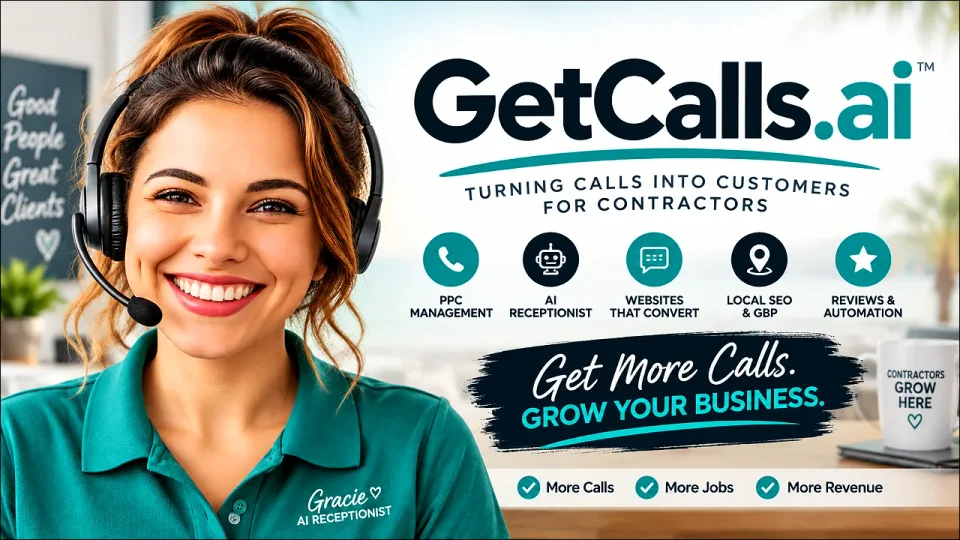
Gracie is an AI receptionist designed to provide a useful first conversation. She can collect the caller’s name, number, service address, and reason for calling, then follow the routing plan approved for your business. The goal is straightforward: preserve the opportunity, give your team enough information to respond, and avoid leaving a customer wondering whether anyone heard the message. This is call coverage, not a pretend replacement for a licensed plumber.
Build a call flow around your real operation
Before the system goes live, we define what should happen during business hours, after hours, weekends, holidays, and urgent situations. During the day, Gracie can explain that she will collect a little information before attempting a warm transfer to the right person. If the transfer does not connect, the caller details still need to reach the person responsible for follow-up. After hours, the system can take a message and set a clear next-business-day expectation when that is the company’s actual promise.
Emergency handling deserves special care. A burst pipe, sewer backup, gas odor, flooding, or unsafe condition may require an escalation path that differs from a routine faucet repair. The workflow should identify the situation, provide only approved safety guidance, and route it to someone who has agreed to respond. If nobody is available, the message must say so honestly. No automated script should promise a technician, price, arrival time, or diagnosis the company cannot guarantee.
The conversation should sound like your plumbing business. We decide which questions are necessary and avoid making a stressed homeowner answer a long questionnaire. A repair request may need the problem, location, callback number, and urgency. A water heater estimate may need the equipment type and scheduling preference. A commercial caller may follow another path. Your team remains in control of the rules and the final customer relationship.
Send useful information where the team will act
A message has value only when it reaches somebody who can do something with it. Call details and a concise summary can enter the same process as web forms and paid-search inquiries. In LeadTABLE, the team can see who called, what they needed, where the lead came from, and what should happen next. The record should identify an owner and a follow-up status instead of becoming another unmonitored inbox.
We also plan for the less tidy moments. What if a caller hangs up before sharing a number? What if a transfer fails? What if the office is closed for a holiday? What if a person asks for a service the company does not provide? Those cases deserve a response before the number is promoted. Call recording, transcripts, and notifications may support quality review, subject to the laws and customer notices that apply to the business and location.
Protect the value of every advertising source
If you are paying for plumbing search ads, an unanswered call can waste the money spent to earn that click. A homeowner who found you through Google Maps may also call the next company when nobody responds. Gracie can cover the gap between interest and a human response, especially for a small team that cannot staff a phone around the clock.
She should not diagnose a dangerous condition, quote work outside approved guidelines, or misrepresent who is speaking. The system should gather information, share approved business details, route appropriately, and set an honest expectation. If a caller describes an immediate safety emergency, the workflow needs an instruction that points them toward appropriate emergency help while notifying the plumbing team according to its plan.
Start with the calls you already get
Before building a complicated flow, I want to know when calls arrive, which ones are missed, who can take transfers, what callers ask most often, and which jobs the company wants to prioritize. We can then set up a practical first version, review real conversations, and adjust wording or routing based on what actually happens. The system should make life easier for the office and customer, not create another dashboard nobody checks.
Gracie is one part of a connected lead path: a search, an ad or website visit, the first conversation, and timely follow-up. The measure is whether more qualified callers reach your team with enough context to take the next step. Read our approach and talk with Bob about how your plumbing calls are handled today.