

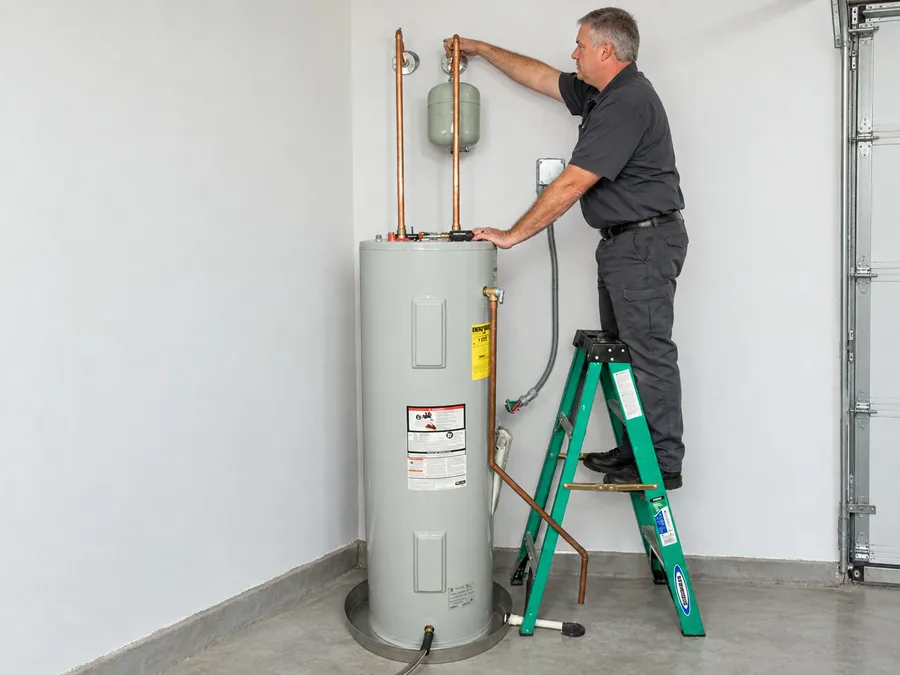
Every plumbing owner knows what the first hard freeze does to the phones. One day the schedule is steady. The next, pipes are bursting, outdoor spigots are cracking, water heaters are quitting, and every homeowner in town is searching for a plumber at the same moment. Your call volume jumps well beyond what a small team can comfortably handle.
The companies that do well in these windows are rarely the ones who scramble hardest. They are the ones who prepared in advance. With fall settling in, now is the time. This article is a practical checklist for getting your marketing, phones, and tracking ready before the first cold snap arrives.
Why Cold Weather Is Both an Opportunity and a Risk
Demand spikes are a gift. Homeowners are actively searching, urgency is high, and tickets for emergency repairs and replacements are strong. But a surge magnifies every weakness in your operation:
- Ads run out of daily budget in the morning, so you vanish during the busiest search hours.
- Phones ring faster than anyone can answer them.
- Voicemail fills, and callers move on to the next company.
- Leads pile up in inboxes with no follow-up.
- Plumbers are overbooked, leading to late arrivals and unhappy customers.
If you have ever ended a busy season exhausted but unsure whether you actually made good money, you have felt this. A little preparation can turn a chaotic rush into a controlled, profitable stretch.
Weeks Out: Audit Your Ads
Advertising platforms need time to adjust, so do not wait until the first freeze to look at your campaigns. Review your plumbing PPC and local service ad setup now:
- Budgets: Are daily budgets high enough to stay visible through peak hours? Costs per click often rise as competitors increase bidding.
- Keywords: Add seasonal terms such as frozen pipe, burst pipe repair, no water, and water heater not working. Remove terms that waste money.
- Negative keywords: Update your list to block irrelevant searches such as jobs, DIY, and parts.
- Service areas: Tighten or expand based on where you can realistically respond during a surge.
- Ad schedules: Match your ad hours to when you can answer the phone.
- Conversion tracking: Confirm that calls and forms are being recorded correctly.
Nothing is worse than discovering a tracking problem after you have spent a month’s budget.
Refresh Your Landing Pages
Seasonal demand changes what homeowners want to see. In cold weather, your emergency page should speak directly to frozen and burst pipes, no-water situations, and failed water heaters, with a clear call button.
Check that each landing page has:
- A headline that matches seasonal searches
- A visible tap-to-call button on mobile
- Current hours and service areas
- Recent reviews and trust signals
- A short form with minimal fields
- Fast load times on cellular connections
Consider a separate page for water heater replacement, since a cold snap often exposes aging units. We explain why different searches deserve different pages in repair versus replacement plumbing leads.
Prepare Your Phones for Volume
This is where most small shops get overwhelmed. During a freeze, calls arrive faster than your team can answer, and each missed call is a paid opportunity lost.
Think through the scenarios:
- What happens when two callers ring in at once?
- What happens at 10 p.m. when pipes are freezing?
- What happens when every plumber is on a job and the office person is on another line?
- What happens on the weekend?
Gracie, the AI receptionist, is designed for these moments. She answers 24/7 or on the schedule you choose, gathers the caller’s name, phone number, address, plumbing problem, and urgency, and can transfer the call or text the owner or a plumber. Because she can handle multiple situations without hold times, she helps you avoid losing business during spikes.
Set your rules in advance. Decide which calls transfer immediately (active leaks, burst pipes, sewer backups), which get a text summary, and which can wait for a callback. Our guide to after-hours plumbing calls offers more help.
Build a Follow-Up Safety Net
Even with good call handling, some leads will not connect on the first try. A transfer might fail because your plumber is in a crawlspace with no signal. Without a backup, that lead may go cold.
AI chat and SMS follow-up fill the gap by confirming receipt, setting expectations, and keeping the prospect engaged until someone can respond. A quick text like “We received your request and a plumber will contact you shortly” can keep a homeowner from calling the next company on the list.
Speed matters even more when competitors are also swamped. We discuss this in where plumbing leads get lost.
Make Sure Your Local Presence Is Ready
Many homeowners skip ads and go straight to the map results. A few weeks before the season, check your Google Business Profile:
- Are hours accurate, including emergency availability?
- Are services and service areas current?
- Are there recent photos?
- Are you receiving and responding to reviews?
Local search and maps support keeps your presence strong, while review automation ensures a steady flow of fresh feedback. A stream of recent positive reviews during a busy stretch can improve both visibility and conversion.
Decide How Much Business You Can Handle
This may sound strange, but more calls are not always better. If your plumbers are booked days out, you may not want to buy additional leads. Overpromising and arriving late damages reviews and wastes the ad spend that created those leads.
Set capacity thresholds in advance. If you are fully booked, you can:
- Reduce budgets or narrow service areas temporarily
- Prioritize emergencies and higher-value jobs
- Let Gracie collect details and set honest expectations about timing
- Offer scheduled estimates for larger projects instead of same-day visits
Knowing when to pull back is as important as knowing when to push.
Track Everything During the Rush
In the middle of a busy season, tracking is often the first thing dropped. That is a mistake. A freeze generates the data you most need to plan next year.
With LeadTable tracking, you can record leads, call details, outcomes, sources, and follow-up status in one place. You will see which campaigns produced booked work, which hours generated the most calls, and where leads slipped away.
A Quick Pre-Season Checklist
Ads
- Budgets raised for peak hours
- Seasonal keywords added
- Negative keyword list updated
- Tracking verified
Pages and Profile
- Emergency page refreshed
- Mobile call button tested
- Google Business Profile updated
- Reviews flowing
Phones and Follow-Up
- After-hours coverage set
- Transfer rules defined
- SMS follow-up active
- Capacity limits decided
Tracking
- Tracking numbers assigned
- LeadTable ready to capture outcomes
- Monthly review scheduled
A Quick Illustration
Suppose a cold snap brings you 40 calls in a week, and 10 of them arrive when nobody can answer. If just a few of those callers would have booked $500 repair jobs, and one would have booked a $2,000 water heater replacement, you could lose several thousand dollars in a single week. Recovering even a modest share of those calls can change the season.
After the Rush: Review and Learn
When the surge passes, review the numbers. Which campaigns delivered? Which hours were busiest? How many calls were missed, and how many recovered? What would you change next time? Contractors who do this every season build a smarter, more predictable operation, and preparation gets easier each year.
Be Ready Before the Cold Arrives
MicroManaged Media, Inc. created Get Calls AI so small plumbing contractors can handle peak demand with the confidence of a much larger company. We manage your ads, build your landing pages, answer your calls with Gracie, and track what turns into booked work in LeadTable, so you capture more qualified calls and miss fewer opportunities.
Contact MicroManaged Media today and get your shop ready before the first freeze hits.