
Residential homeowners are the bread and butter for most small plumbing companies. But there is another kind of customer who can add steady, repeat work: the property manager, landlord, and commercial client. One happy property manager might send you calls from a dozen buildings. A restaurant owner, an office manager, or an HOA board can become a long-term account.
These customers buy differently from a homeowner with a leak. They care about reliability, communication, documentation, and speed. A small shop is not at a disadvantage here. In fact, responsiveness and a personal relationship are things a small company can offer better than a large one. This article explains how to reach commercial and property management clients and win their business.
Who These Customers Are
The category is broader than it sounds:
- Property managers overseeing apartment buildings, rental homes, or multi-unit properties
- Landlords and small investors with a few units
- Commercial tenants and owners such as restaurants, offices, retail shops, and small medical or service businesses
- HOAs and condo associations
- Facilities managers responsible for maintenance across one or several sites
They share some traits. Their problems are usually not just about plumbing. They are about tenant complaints, downtime, liability, and budgets. They want a contractor who answers, shows up, communicates clearly, and does not create more work for them.
What They Look For in a Plumber
Understanding the buyer helps you shape your marketing. A property manager or commercial client typically wants:
Fast response. A tenant without water or a restaurant with a backed-up drain cannot wait. Response speed is often the deciding factor.
Clear communication. They want updates on timing, findings, and costs, ideally by text or email, not guesswork.
Documentation. Invoices, work descriptions, and sometimes photos help them with owners, tenants, and records.
Reliability. Showing up when promised matters even more when someone else is depending on them.
Fair, predictable pricing. They are comparing you not just on one job but on a potential ongoing relationship.
Proper credentials. Licensing and insurance matter. Make them easy to find and make sure your marketing only claims what you can support.
Search Behavior Is Different
Commercial and property management searches often use different language than residential ones. For example:
- “commercial plumber near me”
- “plumbing contractor for apartment building”
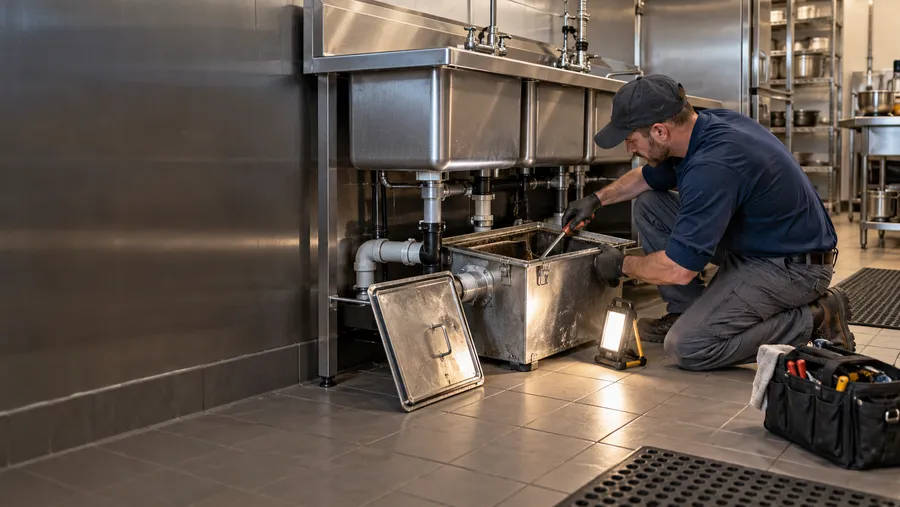
- “restaurant grease trap plumbing” or “commercial drain cleaning”
- “emergency plumber for rental property”
- “plumbing maintenance for property managers”
Some are urgent, and some are about finding a reliable long-term vendor. A dedicated plumbing PPC campaign can target these searches separately from residential traffic, with ad copy that speaks to businesses and property managers. Keeping them separate also keeps your data clean and prevents commercial budget from being drained by homeowner-style clicks.
Give Them Their Own Page
A property manager does not want to read a page written for a homeowner. A dedicated commercial and property manager landing page can speak directly to their concerns:
- Services you provide for commercial and multi-unit properties
- Your response approach for urgent situations
- How you communicate and document work
- Your service area
- Your licensing and insurance information where appropriate
- A simple way to request service or set up an account
- A clear tap-to-call button for emergencies
Only list services you are licensed and equipped to perform. Commercial work can involve specialized requirements, so be accurate about what you offer.
Build Trust Where They Look
Property managers often check reviews and your Google listing before reaching out, and they may ask other managers for referrals. Strengthen what they see:
- Maintain a strong, active Google Business Profile with accurate hours, services, and service areas.
- Collect reviews from commercial and property clients when appropriate, using review automation and follow-up.
- Share photos of professional, tidy work.
- Make credentials easy to find.
Reviews that mention responsiveness and communication are especially persuasive to this audience.
Responsiveness Wins Accounts
For a property manager, a plumber who answers the phone at 7 p.m. when a tenant has no water is gold. A plumber who goes to voicemail is replaced.
This is where small shops can compete with much larger ones. Gracie, the AI receptionist, answers on the schedule you choose, gathers the caller’s name, phone number, address, plumbing problem, and urgency, and can transfer the call or text the owner or a plumber. For commercial callers, you can also have her collect the property name, the contact on site, and whether the issue is affecting tenants or business operations.
That captured information lets your team respond quickly and professionally, even when you are on another job. See after-hours plumbing calls for how to set expectations honestly when calls come in outside normal hours.
Make It Easy to Keep Working With You
Winning the first job is only the start. The real value of this segment is repeat work. A few habits help turn one call into an account:
- Confirm and communicate. Send a text when you are on the way and when the job is done.
- Document clearly. Provide a straightforward invoice and a short description of what was found and done.
- Flag related issues. If you notice something that may need attention later, mention it without pressure.
- Follow up. A short check-in after a job shows you care about the outcome.
- Offer a point of contact. Make sure they know whom to call next time.
SMS and automated follow-up can support this, especially when your team is busy. We explore how easily good opportunities slip away in where plumbing leads get lost.
Track Accounts, Not Just Calls
With residential work, each call is usually its own customer. With commercial and property clients, one source can generate many jobs over time. If you only count individual calls, you will undervalue them.
LeadTable tracking records leads, call details, outcomes, sources, and follow-up status in one place. Over time, you can see which property managers and commercial contacts generate repeat work, which campaigns found them, and how much revenue they represent. That perspective can change how much you are willing to spend to win a single good account.
An Illustration
Suppose a property manager calls with a single repair job worth $500. If the relationship goes well, they might call you six more times over the year, and perhaps hand you a larger project. The first call that you almost missed could be worth several thousand dollars. If Gracie recovers just 4 missed calls a month and 2 become $500 jobs, that is $1,000 in extra monthly revenue, and when one of those callers becomes a recurring account, the value can be much higher. The actual results depend on your close rate, average ticket, and how many calls you currently miss.
Common Mistakes
- Using homeowner messaging for commercial buyers. Speak to their concerns.
- Overstating capabilities. Only market work you are licensed and equipped to perform.
- Neglecting communication. Updates matter as much as the repair.
- Treating every job as one-off. Think in terms of accounts and relationships.
- Missing calls. A single missed urgent call can cost you a long-term client.
- Not tracking repeat business. You cannot value what you do not measure.
Ready to Grow Your Commercial and Property Management Work?
MicroManaged Media, Inc. created Get Calls AI to help small plumbing contractors attract more qualified calls, miss fewer opportunities, and see what turns into booked work, including the repeat accounts that make a small shop steadier.
Contact MicroManaged Media today and let us talk about reaching property managers and commercial clients in your market.