

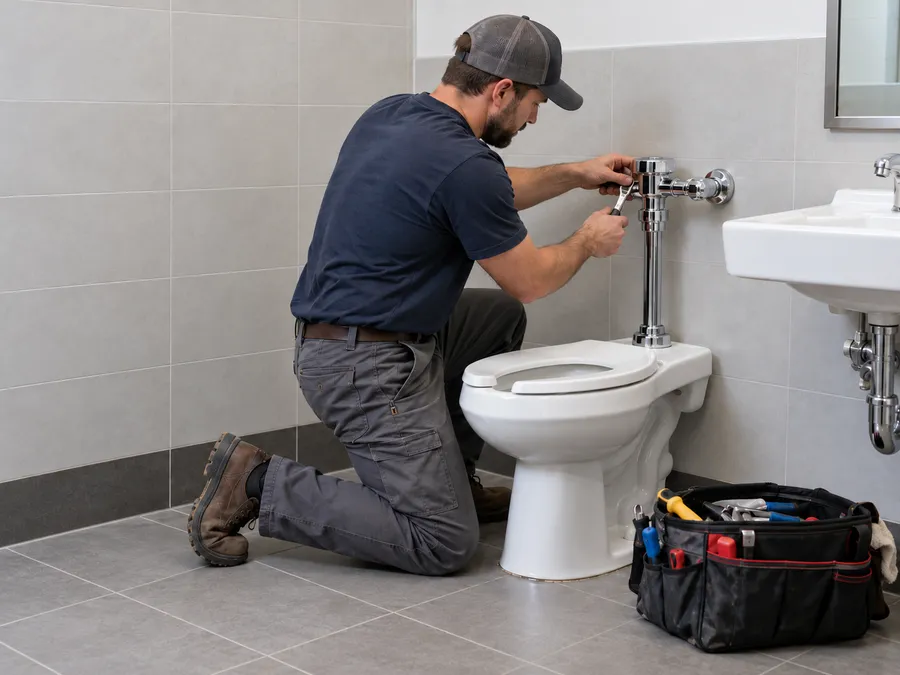
Plumbing can be a feast-or-famine business. A cold snap or a heavy rain brings more calls than you can handle. Then a quiet stretch arrives and the trucks sit. Many small companies spend their year reacting to whatever the phone brings, instead of building a base of work they can count on.
A maintenance plan, sometimes called a membership or service agreement, is one way to change that. Customers pay a modest recurring fee or a one-time annual fee in exchange for regular check-ups, priority scheduling, or discounts. For the customer, it is peace of mind. For you, it is a steadier calendar, closer relationships, and a head start on larger jobs. This article explains how to design a plan, how to market it, and how to measure whether it works.
Why Maintenance Plans Make Sense for Small Plumbing Companies
A well-built plan can help in several ways:
Smoother revenue. Scheduled visits fill gaps between emergencies and weather-driven surges.
Stronger customer relationships. A customer who sees you once or twice a year thinks of you first when something goes wrong.
Earlier detection of problems. Regular inspections can reveal aging water heaters, slow leaks, or worn fixtures before they become emergencies, which can lead to scheduled, well-planned replacement work.
Better word of mouth. Members who feel taken care of tend to recommend you.
Less dependence on paid leads. A base of loyal customers means you do not have to buy every job.
These benefits are possible, not guaranteed. The results depend on how you build and deliver the plan.
What Could Go Into a Plan
There is no single right design. Look at what your customers value and what your team can deliver consistently. Common elements include:
- An annual or semiannual inspection of visible plumbing, fixtures, and the water heater
- Water heater flushing or basic maintenance, where appropriate
- Checking shutoff valves, supply lines, and under-sink connections
- Priority scheduling for member service calls
- A discount on repairs or a waived service call fee
- Reminders about seasonal tasks such as protecting outdoor spigots before a freeze
Start simple. A plan you can deliver reliably beats an elaborate one you cannot. Make sure that every service you list is something your company is licensed and equipped to perform, and that your terms are clear about what is and is not included. Consider having your plan terms reviewed by a qualified advisor.
Price It to Be Sustainable
Many owners underprice plans to get members, then discover the visits cost more than the fees bring in. Think through:
- How long a typical visit takes, including drive time
- What the plan includes in labor and materials
- How many members you can serve per plumber
- What discounts you can afford to offer
A plan should be attractive to customers and profitable enough to sustain. If members are cheap to acquire but unprofitable to serve, you are building a problem, not an asset.
Who to Offer It To
Your best first audience is the one that already trusts you.
Past customers. People who have already hired you are the easiest to convert. A follow-up after a completed job is a natural moment to mention the plan.
New customers. Offering the plan at the end of a service visit, when the customer is relieved and impressed, can work well, without pressure.
Homeowners with older systems. Aging water heaters and older plumbing benefit most from regular checks.
Landlords and property managers. A plan covering several properties can be valuable to them and to you. Property managers value responsiveness and clear communication above almost everything else.
Be honest in how you present it. Customers can tell when a plan is a sales tactic and when it is a service.
Where to Market It
Your website. A dedicated landing page can explain the plan clearly: what is included, what it costs, how visits work, and how to sign up. Keep it simple and easy to read on a phone.
After a service call. Give a short, friendly mention and a leaflet or text link.
Email and text to past customers. A seasonal reminder, such as before winter, can prompt sign-ups. Make sure your messages comply with the rules in your area.
Your Google Business Profile. Mention the plan in your description or posts. Our local search and maps service helps keep your listing accurate and active.
Reviews and testimonials. Members who love the plan are your best marketing. Review automation and follow-up makes it easier to ask at the right moment.
Paid ads, selectively. Maintenance plan searches are typically lower in volume than emergency searches, so use them in moderation. A small, focused plumbing PPC campaign can complement your other efforts, particularly when you are looking to fill slower seasons. Keep it separate from emergency campaigns so your data stays clean.
Deliver the Experience Members Expect
A plan only works if members feel they are getting value. A few habits make a difference:
- Schedule visits proactively. Do not wait for members to ask.
- Send reminders. A text before each visit reduces missed appointments.
- Communicate findings clearly. Explain what you inspected and what you found, in plain language.
- Offer options, not pressure. If you find an issue, give realistic choices and timeframes.
- Honor the priority. If you promise faster scheduling, deliver it.
- Ask for feedback. Learn what members like and what could be better.
A single poor experience can sour a member and their friends. Consistency matters.
Answer the Phone for Your Best Customers
Members are some of your most valuable customers, and they expect you to be responsive. If a member calls with a problem and reaches voicemail, they may question what they are paying for.
Gracie, the AI receptionist, answers on the schedule you choose, gathers the caller’s name, phone number, address, plumbing problem, and urgency, and can transfer the call or text the owner or a plumber. You can have her flag member status so priority calls get the right treatment. For a plan built on trust, capturing every call is part of keeping the promise. See after-hours plumbing calls for how to handle calls outside normal hours.
Track Members and Results
A plan is a business line, and you should measure it. Useful questions:
- How many members have signed up, and from which source?
- How many renew?
- How much additional work do members generate?
- What does it cost to deliver the plan?
- Which members call most often, and why?
LeadTable tracking records leads, call details, outcomes, sources, and follow-up status in one place. Used consistently, it helps you see which channels bring in members, which follow-ups convert, and how much revenue members produce over time.
An Illustration
Suppose you sign 50 members at a fee that covers your costs and leaves a margin, and a share of them request repairs or replacements during the year. Even modest additional work from those relationships can add meaningfully to your revenue. Compare that with the cost of buying the same number of new customers through advertising. These figures are hypothetical, and actual results depend on your pricing, market, and delivery.
Likewise, if Gracie recovers just 4 otherwise-missed calls a month and 2 become $500 jobs, that is $1,000 in additional monthly revenue, some of it potentially from members who might otherwise have gone elsewhere.
Common Mistakes
- Overpromising benefits. Only list what you can reliably deliver.
- Underpricing. A plan must be sustainable.
- Launching without a system. You need scheduling, reminders, and tracking.
- Pushing too hard. Pressure damages trust.
- Forgetting the phone. Members expect responsiveness.
- Not measuring. Without data, you cannot refine the plan.
Build a Steadier Plumbing Business
MicroManaged Media, Inc. created Get Calls AI to help small plumbing contractors capture more qualified calls, miss fewer opportunities, and see what turns into booked work. From managed ads and landing pages to Gracie, review follow-up, and LeadTable tracking, our system supports the customer relationships that make a small shop more stable.
Contact MicroManaged Media today and let us talk about how to market and track a maintenance plan for your shop.